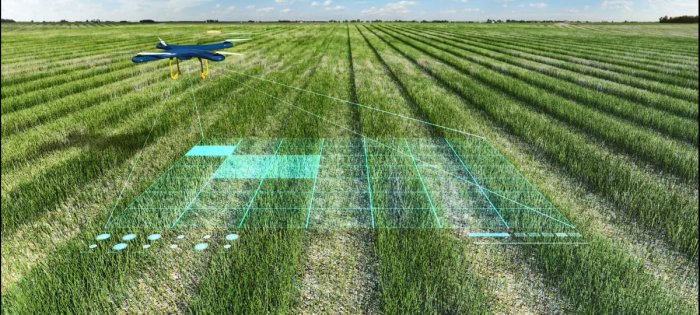
Make field conditions easier to act on, not just easier to measure. Skymics combines agricultural sensor integration, field connectivity and AI analytics to help growers review irrigation needs, investigate unusual conditions and plan the use of water and other resources.
Connect the measurements that matter to your crop
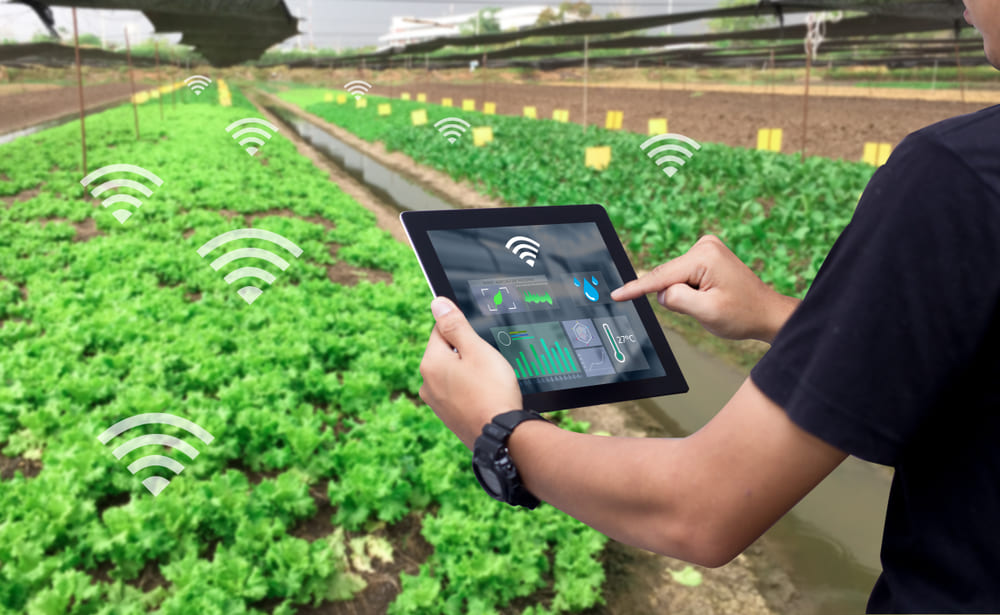
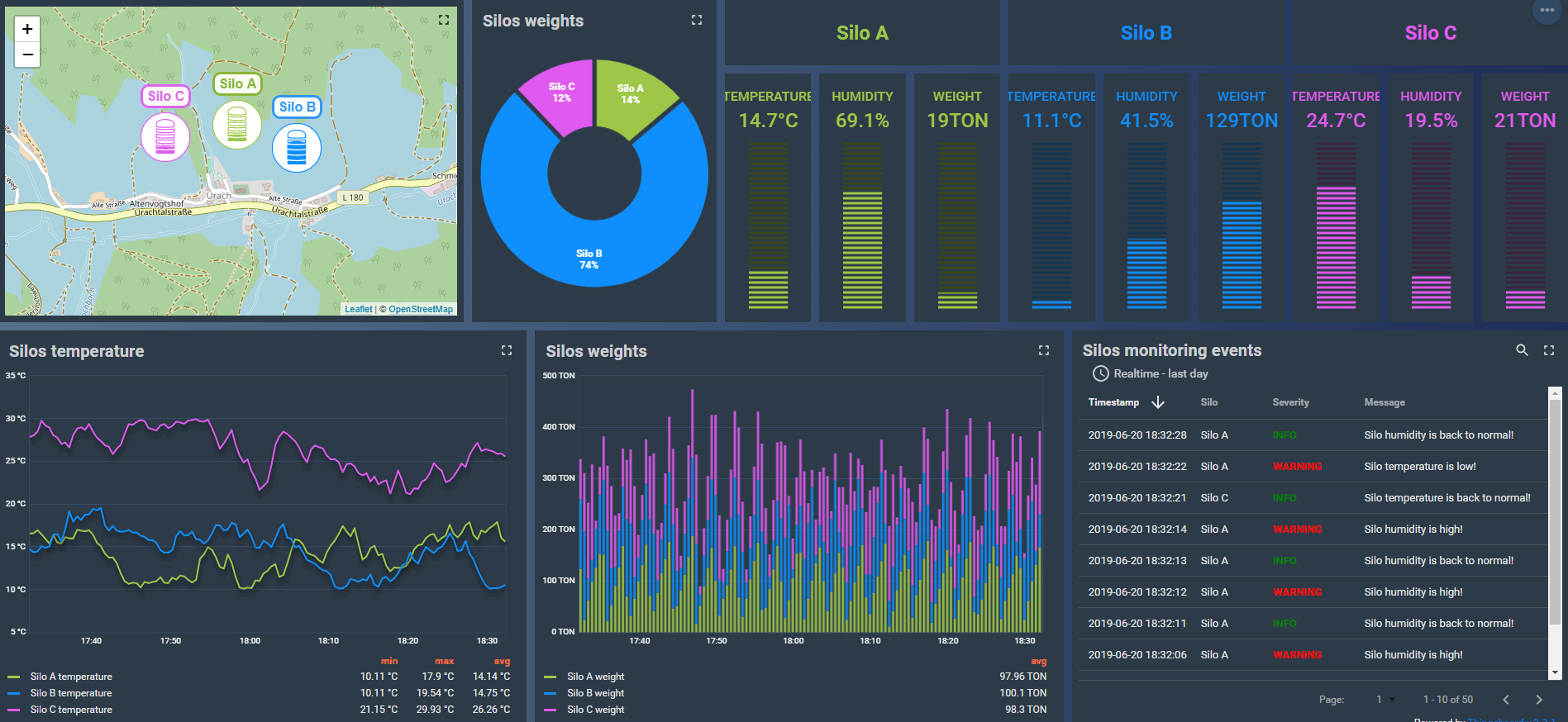
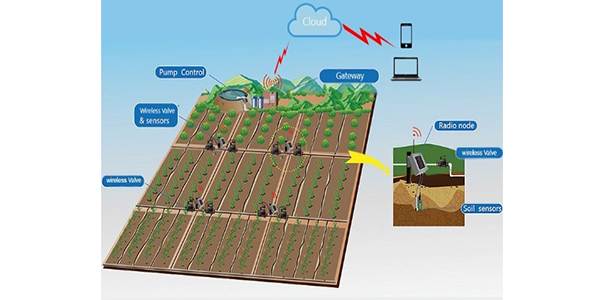
A useful farm-monitoring system reflects differences between fields, crop stages and growing methods. Depending on the requirement, monitoring points can cover soil moisture and temperature, local weather, irrigation flow, tank levels and pump operation. Sensor selection, placement and calibration are part of the site design.
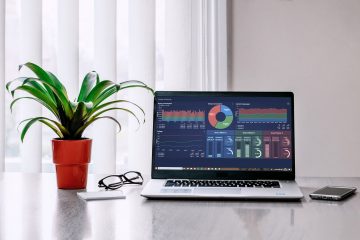
Combine those readings with available irrigation and crop records to understand what happened before, during and after an intervention. Give field teams a view of the zones that need attention rather than a stream of disconnected readings.
Where AI can support day-to-day farming
Our predictive analytics and anomaly-detection services can be scoped to support:
- Irrigation planning: combine moisture trends, crop context and suitable weather data to estimate when a monitored zone may need attention.
- Unusual-condition detection: flag unexpected drying, water-flow changes or abnormal pump behaviour for inspection.
- Resource review: compare water use and growing conditions across zones or crop cycles, accounting for differences in crop and weather.
- Focused field checks: bring related events together so the grower can decide which location to check first.
For example, a zone that stays dry after an irrigation event deserves investigation. It could indicate a delivery problem, sensor placement issue or a genuine difference in soil behaviour; an alert alone does not establish the cause.
Field connectivity and intelligence at the edge
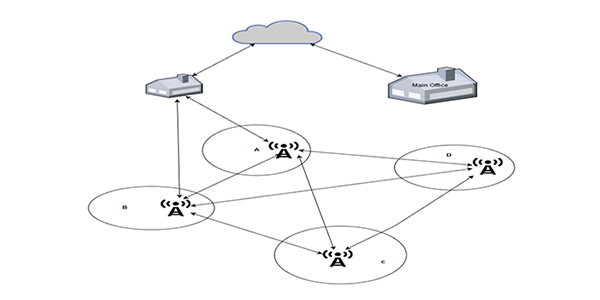
Skymics provides IoT sensor integration, LoRaWAN network design and edge gateway configuration. Network coverage, battery life, terrain and update frequency shape the connectivity choice. Where suitable hardware is available, on-device machine learning can analyse readings near the field; local processing and data buffering must be designed for the site’s connectivity conditions.
Existing irrigation controllers and farm systems can be assessed for integration. Automated valve or pump actions require a separate control design with operating limits and manual override. Growers and agronomists remain responsible for crop decisions.
Start with one crop, zone and decision
Begin with a defined question, such as identifying irrigation exceptions in one monitored zone. Check data completeness, useful warning time and false alerts against field observations before extending the approach. Forecasts need representative data and should be reassessed as crops, seasons and operating practices change; they are not a promise of yield improvement.
Tell us your crop, growing area, current sensors and irrigation equipment, connectivity constraints and the decisions your team needs to support. We can discuss monitoring first and add AI where the information supports it.
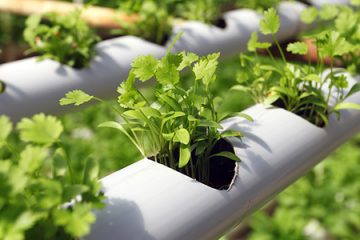
For controlled growing environments, explore our Smart Hydroponics solution.
IoT and LoRaWAN integration · predictive analytics
Discuss a smart farming requirement
Turn a field-monitoring requirement into a focused sensor, connectivity and analytics plan.
Discuss your smart farming project